

Vxel 威科赛尔

HOW WE WORK / from the site

Before selling the material, we had already run the work

This page does not list client names. It lists a few things the team actually ran into on site, and how we handled each one — the process tells you more about us than any conclusion can.

01 / On references

Vxel is a 2026 brand. We have no sites of our own yet.

We could leave this unsaid, but we would rather put it up front: no batch has gone out under the Vxel brand yet. Once the first projects land we will publish them here one by one — project name, use, thickness and quantity — and only name the client after we have written consent.

Until then we will not pad the page with photographs of other people's sites, and we will not present projects the team worked on before as Vxel references. What speaks for us is the few real episodes below.

02 / Site experience

We came out of the air-conditioning industry, not out of a warehouse

Before Vxel, we spent ten years in the central air-conditioning industry — plant rooms, pipe shafts and rooftops on mixed-use complexes, corporate campuses and transport hubs, following the sites, checking the drawings and carrying the deadlines. Having done the work, we know where the money goes, where the traps are and where the time gets lost. That is what a pure reseller cannot give you.

Every episode below happened before Vxel — we were distributing other brands at the time, and the goods were not Vxel's. In the foil case the project was ours, but the material was another brand's. They are here to show how we work, not as Vxel's track record.

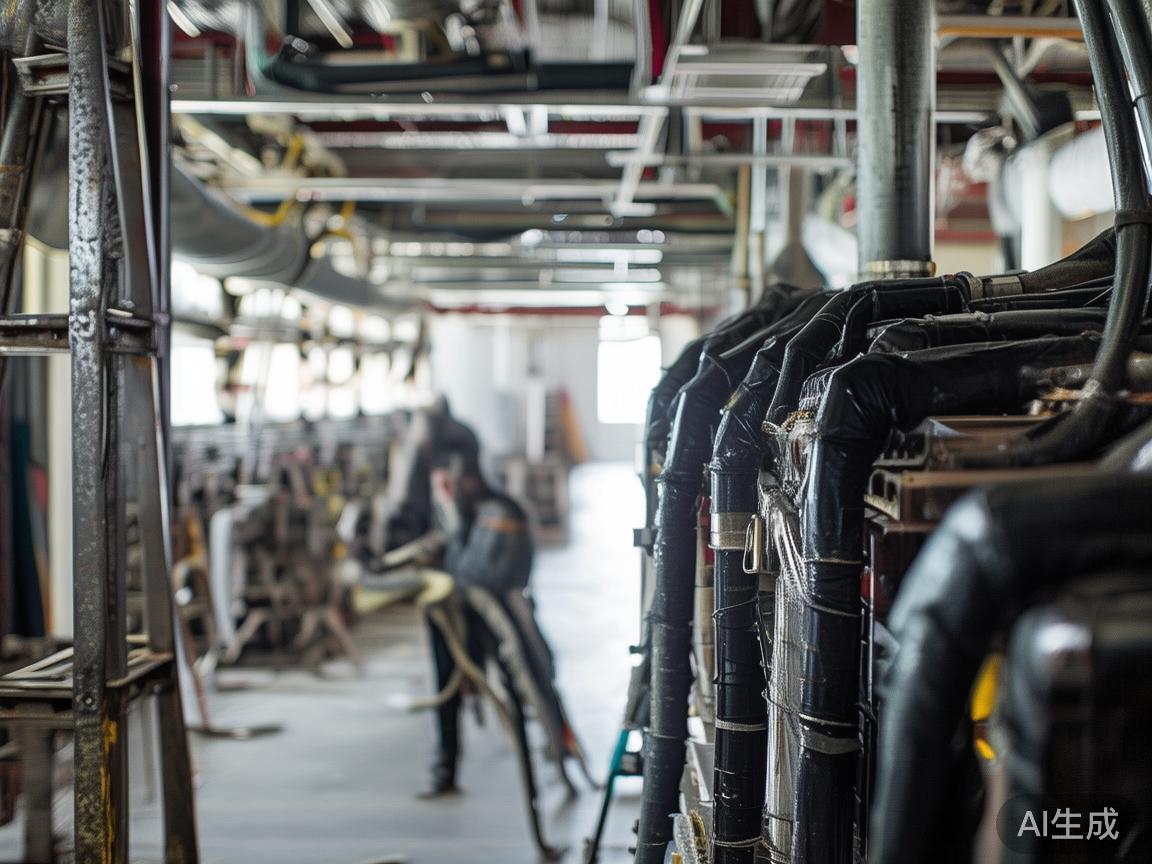
Plant room worksite · preview (AI)
FIG.14Plant room site · preview (AI)
  • 01

    We know where the money usually goes

    On large projects the insulation cost is rarely eaten by unit price — it is eaten by overspecified thickness and leftover adhesive. We take off quantities against the drawings, counting material, adhesive and waste, so savings happen where you can see them.

  • 02

    We know where the site usually fails

    The most common rework is not bad material but joints that were not sealed and valves or flanges left untreated — then condensation drips. Having worked on site, we know which spots must be watched and where workmanship slips, and we can warn the crew in advance.

  • 03

    We know who usually stalls the schedule

    Late handover, overlapping trades, a rush before inspection — insulation is often the last trade, with its time squeezed away. That is why we put lead time in the contract and dare to pull rush orders forward: we have been blocked by this ourselves and know you cannot afford it.

  • 04

    We know what the client is really looking at

    In plant rooms, basements and pipe shafts, inspection does not read the datasheet — it checks whether the work looks orderly. Having done demanding projects, we know what layout, finishing and labelling pass first time.

This experience never makes it into a datasheet, but it affects your real cost, schedule and inspection outcome. Bring us a concrete scenario and ask.

03 / Strengths of the material

What demanding projects look for is exactly its strength

Values below are under testing; they will be updated here once the reports are issued.

  • Closed-cell, low absorption — stable anti-condensation over time; no drips in plant rooms or water systems.
  • Thermal conductivity ≤ 0.034 W/(m·K) (under testing) — more energy saved at equal thickness.
  • Fire performance GB 8624 B1 (under testing) — fits clean and fire requirements.
  • -50 ~ 110℃ (under testing) — one material from chilled water to domestic hot water.
  • Light and easy to install — blade-cut and adhesive-bonded, no fibre shedding, controllable schedule.
04 / How a real problem was solved · before Vxel

The foil creased every time — how we got to the bottom of it

This happened before Vxel — the project was ours, the material was another brand's. Saying "we are professional" proves nothing; the process does. This small episode is a road we actually walked on a campus project — failures and detours included, because they show how we work better than any conclusion.
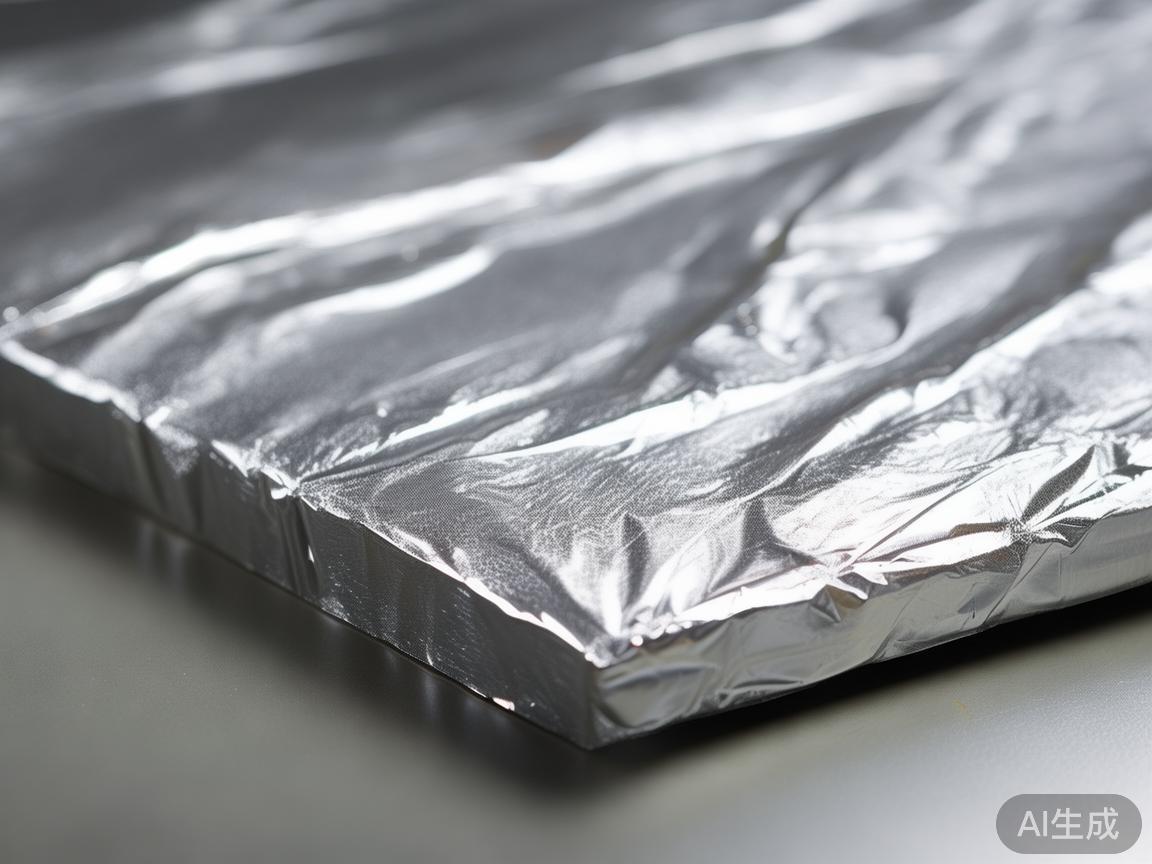
Foil-faced board with wrinkles · preview (AI)
FIG.15Foil wrinkling · problem close-up · preview (AI)
  1. 01

    Foil-faced sheets and tubes arrived creased

    Elastomeric foam is soft, and once foil is laminated on, it creases very easily during loading, stacking and installation. Creasing is not just ugly — it affects the reflective layer's performance and fails the client's eye test.

  2. 02

    We studied how leading peers pack it, then had custom cartons made

    We looked at how the better players in the trade handle packing, then had dedicated cartons made and shipped in them. Result — still creased. Money spent, problem unsolved.

  3. 03

    We suspected not packing, but the foil-to-adhesive bond

    Packing changes were not enough, so we looked at it differently: maybe the crease was not damage in transit but a weak bond at lamination. Following that thread, we went to the laminating factory to watch production.

  4. 04

    It came down to the foil grade and the adhesive's bond strength

    At the factory it became clear: different foil ductility and different adhesive bond strengths combine very differently. Our earlier combination did not bond firmly enough, so it creased on any fold. The cause was material pairing, not transport.

  5. 05

    Change the materials, add machinery — fix it at the source

    We asked the factory to replace the foil and the adhesive with better-suited materials and to bring in an automated laminating machine, cutting the inconsistency of manual work and making the bond tighter and more even. The creasing was solved at the source, not hidden under extra layers of paper.

What this shows

  • When a problem hits, our first move is to go and look, dig and get on site — not to find an excuse.
  • The first fix failed (custom cartons); we did not paper over it, we scrapped it and re-diagnosed.
  • It was solved by having the manufacturer spend on better materials and machinery — not by talking the problem away.
05 / A rush order · before Vxel

Order at 5 pm, goods needed next morning

This was before Vxel, when we were distributing another brand — it is not a Vxel delivery record. By any normal process this order could not be taken. The customer needed it next morning; we got the order that evening — with one night in between. We chose to make it happen.

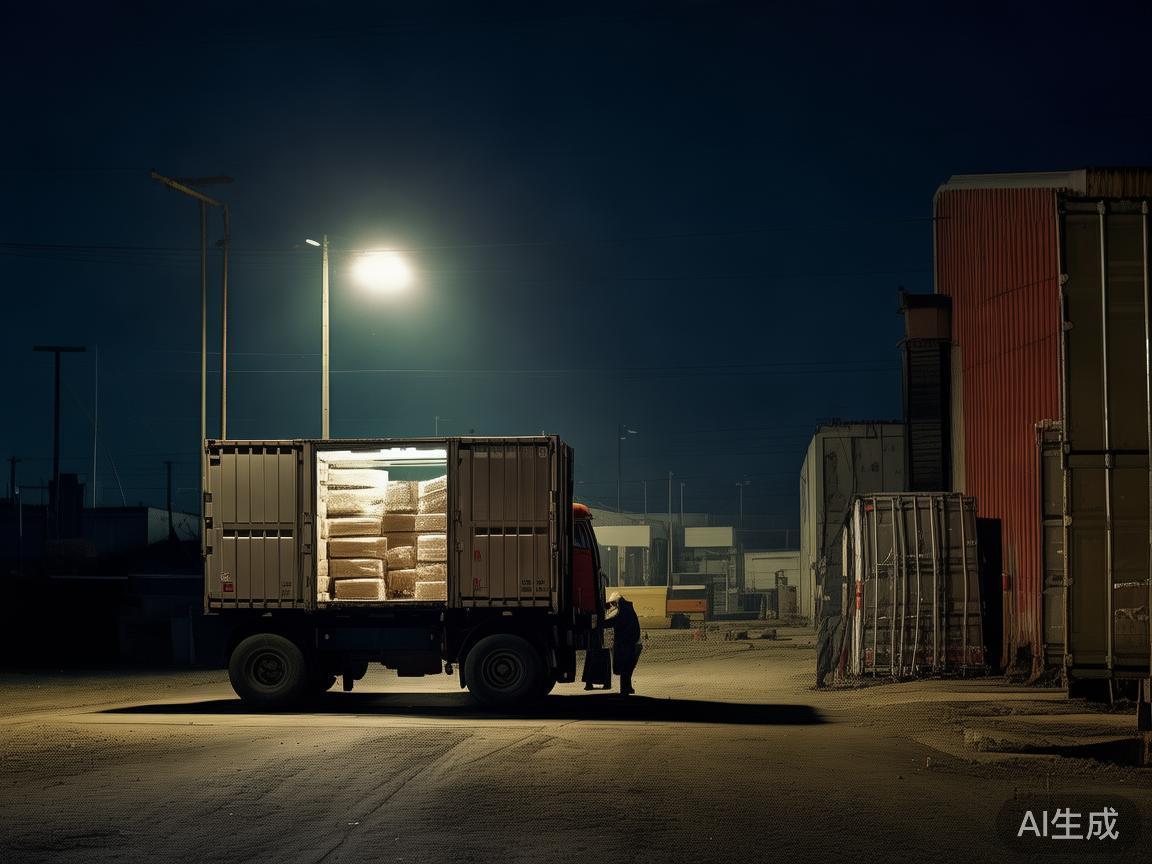
Night loading at the factory · preview (AI)
FIG.16Night loading · preview (AI)
  1. 01

    5 pm on the day, delivery wanted first thing next morning

    The batch for a project in south China was on a very tight schedule. The notice reached us at 5 pm, with delivery wanted next morning. Normal scheduling could not possibly make it.

  2. 02

    We decided on the spot: arrange overnight production

    We did not tell the customer "scheduling cannot make it, how about next week". We started coordinating at once and asked the factory to run this batch on overtime through the night.

  3. 03

    The truck was booked and waiting at the factory

    Producing fast is not enough — no truck means delay anyway. So we booked a truck ahead and had it wait at the factory, loading the moment the goods came off the line.

  4. 04

    Loaded at 3 am, driven through the night to the customer

    Loading was finished at 3 am and the truck set off through the night. The next morning the goods were in the customer's hands and the schedule was not delayed.

  5. 05

    We did not pass the extra cost on to the customer

    The overtime, the truck kept waiting, the overnight run — this time we chose to absorb the extra ourselves rather than pass it on. Our judgement was simple: doing this order well and leaving the customer satisfied matters far more than making a bit more on it.

What this shows

  • Regular specs kept available and rush orders coordinated is not a slogan — it is someone genuinely working through the night for you.
  • Fast dispatch and lead time in the contract rest on unseen preparation: a truck booked ahead, scheduling pulled forward.
  • Of course we need to make money, but at the critical moment we would rather get the customer's job done first.
06 / A demanding project · before Vxel

The customer was missing a test document — we paid to get it ourselves

This also happened before Vxel — we were distributing another brand at the time, and the batch was not Vxel's. A nuclear power project on the south China coast demands near-absolute rigour in material documentation. Halfway through, the customer was stuck on one missing test document — and by then another supplier was no longer willing to put more in. We chose to pay for it ourselves.

The hard part of a high-standard project is often not the material itself but a complete chain of documentation. Such projects demand far more test documentation than an ordinary engineering job — miss one document and the process cannot move forward. At the time the customer had other, cheaper options, but what actually blocked him was that no one would go and obtain that document for him.

Our judgement was simple: without that document, the customer's project stops where it is. So rather than treating it as "extra trouble", we paid for it and went and got it done, so the customer's process could move on.

  • 01

    The requirements far exceed an ordinary project

    Nuclear and associated projects demand exceptional completeness and traceability of documentation. Being able to support such a project at all shows our paperwork stands up to scrutiny.

  • 02

    What the customer lacked was not material but that document

    Budget was not the only issue — what blocked the project was that no one would spend more money and time on one test document.

  • 03

    We paid and got the document done

    This cost was not ours to bear, but we took it on. What was blocked was not our one order but the progress of the customer's whole project.

  • 04

    We wanted the customer's progress, not the margin on this order

    Get the document sorted, get the project moving — and the customer knows who to come to next time. The margin on this order was the least important part.

What this shows

  • On high-standard projects we do not just "get it through" — we invest proactively in complete documentation.
  • When the difference between suppliers is not price but who will pay to clear the customer's blocker, we take the latter.
  • Being on top of what the customer is worried about is no slogan — whatever they lack, we go and supply it.
07 / A cross-border project that did not close · before Vxel

A year on a cross-border project, and it did not close

Since June 2025 we had been working on the elastomeric foam insulation for a battery factory project in Hungary. That was also before Vxel — we were distributing another brand, and the project never closed.

It is here not as a reference. It is here because that year made one thing clear: the hard part of a cross-border project is never "wrapping a pipe in foam".

A cross-border project has to account for international logistics, customs clearance, foreign-exchange and payment timing, and the local installation and acceptance requirements — all at once. Miss any one of these and the extra cost and time land on the customer.

At the time our approach was not "quote, ship, done". We put on the table what the customer had not yet considered: which traps to avoid, where costs can be saved, and how to plan the whole thing for the best return. Only then do we talk about material. For many customers this is their first cross-border purchase of insulation, and the job is to get the whole account straight for them.

  • 01

    The costs beyond material, planned together

    LCL or FCL shipping, who declares and what clearance documents are needed, what packing standard protects against moisture and damage — these drive total cost, so we plan them from the start.

  • 02

    We name the traps first

    Where delays happen, which specs are hard to install locally, how to arrange payment and currency to reduce risk — said up front. We have been through cross-border headaches ourselves and know where it goes wrong.

  • 03

    Get the account straight, then talk price

    The aim is to maximise the customer's overall project return, not to sell one order of material as dear as possible. Save them where it can be saved — and if the numbers do not work, we say so.

What this shows

  • This one never closed, and we will not write it up as a delivered project — if it did not happen, it does not go on the page.
  • The barrier in cross-border work sits beyond the material: logistics, clearance, foreign exchange, local acceptance. Miss one and it all lands on the customer.
  • Those judgements now go into Vxel's cross-border enquiries: before we quote, we put those numbers in front of the customer.
08 / Your project

Describe your scenario, get a solution

Send use case + pipe diameter / equipment + media temperature + quantity; we size thickness and quantity for anti-condensation and energy saving.

Thickness, quantity, quotation — ask once

Product + thickness / ID + quantity + destination, e.g. chilled-water pipes 25 mm × 800 m, Shenzhen.

Leave your details and we will get back to you shortly (or just call / add us on WeChat).